


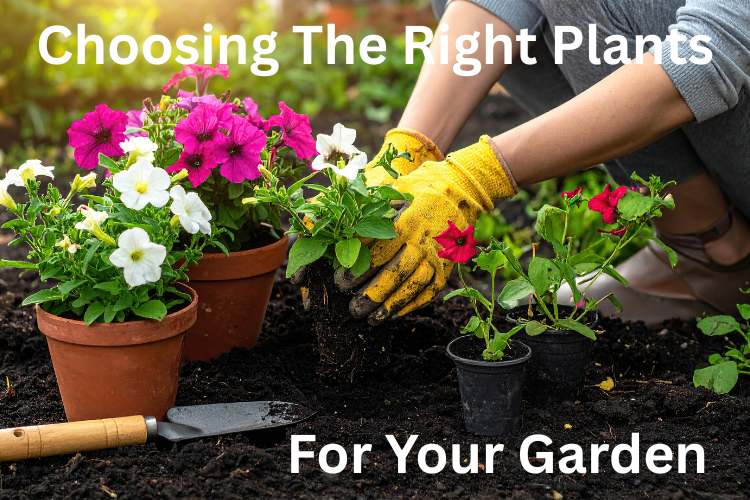
How to Choose the Right Plants for Your Garden
25th Jan 2026
So They Thrive, Not Just Survive
If you’re looking for new plants, trees, or a hedge you’re in the right place. But choosing plants for your garden can be a bit of a puzzle and even a chore when it should be enjoyable. Unfortunately, for many of us it turns into a guessing game followed by disappointment when that lovely new plant fails to thrive. If that sounds familiar, don’t worry, it’s rarely down to “bad gardening”.
In most cases, plants struggle simply because they weren’t suited to the conditions they were planted into. And, to be honest, how many of us really read the product description or label? But the good news is that once you understand a few basics about your garden, choosing the right plants becomes far easier and far more successful.
In this article we’ll try to walk you through how to choose plants that don’t just survive, but genuinely thrive in your garden.
Why Plants Fail (And Why It’s Usually Not Your Fault)
We see this time and time again. And I’m sure you’ve seen it yourself. A beautiful plant is planted with the best intentions, watered, cared for… and still struggles.
The reality is that plants don’t fail because gardeners do something wrong. They fail because:
- The soil isn’t suitable
- There’s too much or too little sunlight
- The plant grows larger than expected
- The garden is more exposed than anticipated
- The plant needs more maintenance than the gardener can give
Understanding your garden conditions can help remove most of those problems before they start.
Step One: Understand Your Light Levels
Sunlight has a huge influence on what will grow well.
Take a day to really look at your garden:
- Full sun means 6+ hours of direct sunlight
- Partial shade is around 4–6 hours
- Shade is less than 4 hours, often north-facing or under trees
Many plants will tolerate less light, but far fewer will actually thrive in it. Matching plants to your garden’s light levels is one of the quickest ways to improve results.
Step Two: Know Your Soil (It Matters More Than You Think)
Soil type sounds technical, but it doesn’t need to be.
Most gardens fall into one of four types:
- Clay
- Chalk
- Sandy
- Loam
Each soil type has its strengths and weaknesses. Clay holds nutrients but drains slowly. Sandy drains quickly but dries out. Chalk can be alkaline and free-draining. Loam is the sweet spot, but not as common as people think. If you’ve got loam in your garden you’re very lucky. Make the most of it.
Choosing plants that suit your soil means less effort, less watering, and healthier growth long-term.
Step Three: Consider Exposure and Shelter
Is your garden:
- Open and windy?
- Sheltered by fences, walls, or buildings?
- In a frost pocket or low-lying area?
Exposure affects everything from water loss to winter damage. Hardy, wind-tolerant plants and garden shrubs cope far better in open gardens, while sheltered spaces allow for a wider choice.
This is especially important when choosing hedging and trees.
Step Four: Think About Space (Now and Later)
One of the most common mistakes we as gardeners make is planting something that quickly outgrows its space.
Always consider:
- Final height
- Final spread
- Distance from buildings, fences, and paths
A plant that looks small in a pot can become very large over time. Choosing plants that suit the available space avoids heavy pruning or the need for future removal.
Step Five: Be Honest About Maintenance
I hate to break it to you, especially after all the TV shows and books tell you otherwise. But there’s no such thing as a truly “no maintenance” garden. However there are plenty of low-maintenance plants.
Ask yourself:
- How much time do I realistically want to spend?
- Do I enjoy pruning, or avoid it?
- Am I happy watering in dry spells?
If the answer is “not much”, that’s absolutely fine. Choosing robust, reliable plants that suit your lifestyle is far better than forcing high-maintenance varieties to behave.
Bringing It All Together
Once you understand:
- Your light levels
- Your soil type
- Your garden’s exposure
- The space you have
- The time you can give
…choosing plants becomes far simpler and far more rewarding.
From here, you can explore more specific guidance depending on your garden and goals:
- Plants for sun, shade, and tricky light conditions
- Plants that suit your soil type
- Low-maintenance options for busy gardeners
- Plants for small gardens and compact spaces
- Choosing between native and ornamental planting
Each of these topics helps narrow your choices and leads you towards plants that will genuinely suit your garden.
A Final Thought
Gardening isn’t about forcing plants to cope — it’s about choosing the right ones in the first place.
When plants are well matched to their environment, they grow better, need less attention, and reward you year after year. That’s what a successful garden looks like.
Ready to Get Planting?
Once you understand your garden’s conditions, choosing plants becomes far more enjoyable and far more successful.
Whether you’re looking to add structure with ornamental trees, create privacy with hedging, soften borders with shrubs, or refresh a space with mixed planting, you’ll find a wide range of carefully grown plants on the Direct Plants website, all suited to our gardens and delivered directly to your door. Take a look, choose plants that match your garden, and enjoy watching them settle in and thrive.