


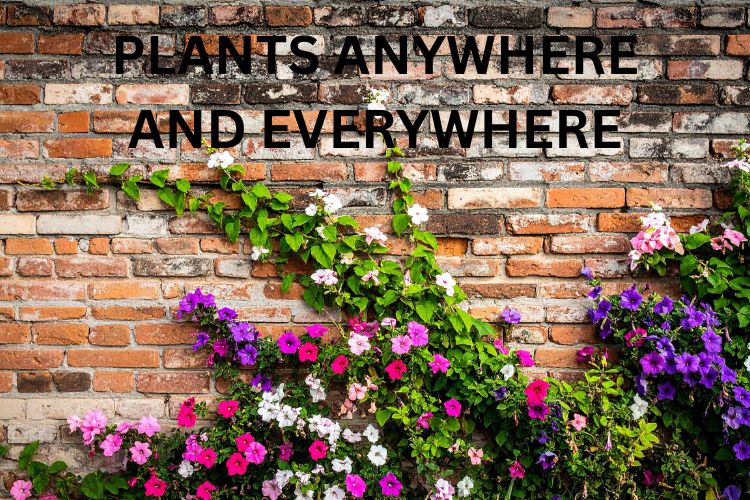
Plants for Sun, Shade, and Everything in Between
2nd Feb 2026
One of biggest mysteries of gardening, at least to me, is matching plants to their best location. In other words which will thrive in shade or which are better suited to full sun. Or even which plants you can put more or less anywhere.
Light levels are one of the biggest factors in whether plants thrive or struggle and, in my defence, are one of the most misunderstood. So, hopefully it’s not just me that struggles with positioning their plants. Many gardens don’t fit neatly into “full sun” or “full shade”, which are written on the planting instructions. So it isn’t surprising that more than a few gardeners are unsure which plants are best to plant where.
The good news is that once you, and I, understand how sunlight behaves in the garden, choosing plants becomes far more straightforward. And you don’t need specialist tools or jargon to get it right. Which is always a positive.
Why Light Levels Matter More Than You Think
This won’t be a surprise but plants rely on sunlight to grow, flower, and stay healthy. We all learn that much in school. Some plants love long, bright days, while others naturally grow in the shade beneath trees or along woodland edges and actively dislike strong sun.
When plants are put in the wrong light conditions, they often:
- Grow slowly or become leggy
- Produce fewer flowers or poor foliage
- Dry out quickly or scorch
- Become more vulnerable to pests and disease
But by matching the plants you are interested in to the light your garden naturally will avoid most of these issues before they start.
Understanding Full Sun
Full sun in a garden means an area receives at least six hours of direct sunlight each day. The sun usually comes out from late morning through to the afternoon.
Sunny gardens are often south-facing and tend to warm up quickly in spring. They’re ideal for many flowering plants, shrubs, and ornamental trees. Which is great news but it also means that your plants can also dry out faster in summer.
Plants that thrive in full sun are typically:
- Strong growers
- Drought tolerant once established
- Free-flowering and colourful
If your garden is very sunny and exposed lots of light, it’s worth considering plants that can cope with both light and occasional dry conditions (we do get the occasional dry spell in this country).
Getting to Grips with Partial Shade
Partial shade is incredibly common and many gardens will either be this entirely or in part. This usually means four to six hours of sunlight per day, or sun that’s broken up by trees, buildings, or fences.
This type of light is often ideal for gardeners because it offers balance. There is enough sunlight for growth and to encourage plants to flower, but shelter from the harshest midday rays.
Many shrubs, hedging plants, and climbers perform really well in partial shade, making it one of the most versatile garden conditions to work with.
Gardening in Shade (Yes, It’s Absolutely Possible)
If there is anything which frustrates gardeners more than a dark corner or those shady spots where nothing ever seems to grow. But, it has to be said shade gets an unfair rap. While of course it’s true that there aren’t a great number of plants which thrive in deep shade, there are still plenty of excellent options for those darker corners or gardens which are permanently in the shade.
In terms of light, shade generally means the garden will get fewer than four hours of direct sunlight per day. This is particularly common in north-facing gardens or areas under or near mature trees.
The common features of plants which are suited to shade are:
- Leaf shape and colour
- Texture and structure
- Reliable, steady growth rather than flowers
Because of those traits shady gardens can be calm, green, and incredibly atmospheric when planted correctly.
Dappled Shade: The In-Between Zone
Dappled shade, which is the shifting light beneath trees or which is created through tall planting, is one of the trickiest conditions to judge but also one of the most rewarding.
Naturally light levels change throughout the day, and the moisture in the ground can vary depending on tree roots and canopy cover. Choosing adaptable plants that tolerate fluctuating light is the key here.
Many woodland-style shrubs and climbers are most naturally suited to this environment.
Common Light-Level Myths (Worth Clearing Up)
- “North-facing gardens can’t grow anything.”
Not true. They just need the right plants. - “Sun-loving plants will cope anywhere.”
Unfortunately, most won’t perform well without enough light. - “Shade means boring.”
Shade planting is often more about texture, depth, and subtle colour.
Understanding what won’t work in your garden is just as useful as knowing what will.
Observing Your Garden Properly
Before choosing plants, spend some time observing how light moves across your garden, though to be fair I’m sure you already know this:
- Note where the sun hits in the morning, midday, and evening
- Watch for areas that are shaded by buildings or trees
- Remember that light levels change slightly through the seasons
This simple step alone dramatically improves planting success.
Bringing It All Back to the Bigger Picture
Of course, when thinking about successful planting light is just one piece of the puzzle. Soil type, exposure, space, and maintenance all play a part in choosing the right plants, shrubs, and trees for your garden.
If you haven’t already, it’s well worth reading our main guide on how to choose the right plants for your garden, which brings all these elements together and helps you make confident planting decisions.
Once you understand the light levels in your garden, choosing plants becomes less guesswork and more good judgement. And that’s when gardening really starts to feel rewarding.
Once you’ve got a handle on the light levels in your garden, choosing plants becomes far more enjoyable and far more successful. Whether you’re planning a new border, refreshing a tired space, or starting from scratch, you can explore a wide range of trees, shrubs, hedging plants, climbing plants, and mixed planting collections on the Direct Plants website. By choosing plants that suit your garden’s conditions, you’ll give them the best possible start and enjoy watching them settle in and thrive.