

Understanding Your Soil: What Will Actually Grow in It
16th Feb 2026
If light levels are one of gardening’s mysteries, soil is probably the next big one. I mean, who really understands it? Most gardeners know they “have clay” or “have sandy soil”, but beyond who knows? It all feels a bit technical and, let’s face it, slightly dull.
But the reality is this: your soil type has more influence over plant success than almost anything else. Which is pretty surprising. Get your soil right, and everything becomes easier. Ignore it, and you could spend years fighting against your own garden.
But I’m guessing it still seems a bit more hassle than it’s worth and do you really want to start learning about soil? The good news? You don’t need lab tests or complicated kits to work it out.
Why Soil Type Matters So Much
Soil affects:
- Drainage
- Nutrient availability
- Root development
- Winter survival
- Drought tolerance
All plants and trees prefer different conditions. Some plants thrive in heavy, moisture-retentive soil. Others hate sitting wet and prefer free-draining ground. Matching plants to your garden’s soil saves effort, reduces plant stress, and will improve the long-term growth of everything in your garden.
In simple terms: work with your soil, not against it.
The Four Most Common Soil Types
The soil in your garden will probably fall into one of four categories (there are other soil types but let’s stick with the most common).
Clay Soil
Clay is heavy, sticky when wet, and often cracks in dry weather. It holds nutrients well but drains slowly. I hate the stuff because my garden is full of it.
Pros:
- Nutrient-rich
- Holds moisture in summer
Cons:
- Slow drainage
- Cold and slow to warm up in spring
The key with clay is to embrace it and to choose plants that cope with moisture-retentive conditions. Many trees, shrubs, and hedging plants actually do very well in clay once established.
Sandy Soil
Sandy soil feels gritty and drains quickly. It warms up fast in spring but dries out quickly too.
Pros:
- Excellent drainage
- Easy to work
Cons:
- Nutrients wash away quickly
- Can dry out in summer
Plants that are suited to sandy soil are often drought tolerant and dislike sitting in wet and sticky soil. Improving sandy soil with organic matter helps, but choosing the right plants in the first place will remove any worries you have with the soil. Read the product descriptions on the Direct Plants website and choose those that will thrive in sandy soil or coastal conditions.
Chalky Soil
Chalky soil is often light, stony, and alkaline. It drains freely and can dry out faster than you’d expect. Which is why chalk is so good for sports pitches and lawns.
Pros:
- Free-draining
- Easy to cultivate
Cons:
- Can limit nutrient uptake
- Not all plants tolerate alkaline conditions
Some plants thrive in chalk, while others struggle. Checking whether a plant tolerates alkaline soil before planting can prevent disappointment later.
Loam
Loam is every gardener’s favourite. A balanced mix of sand, silt, and clay. It drains well but retains moisture and nutrients.
If you’re lucky enough to have loam you’ve won the garden soil lottery. Most plants will grow happily with minimal intervention. Plant and leave alone and it’s job done. That said, even loam benefits from organic matter and good planting practice.
How to Tell What Soil You Have
You don’t need specialist equipment.
Try this simple test:
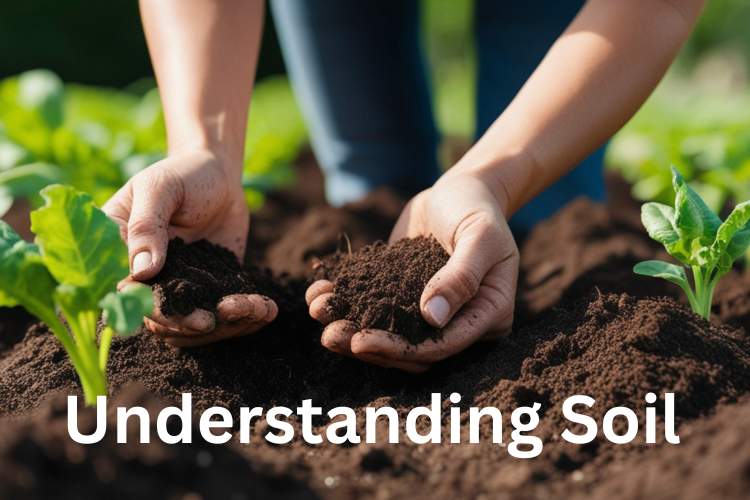
Pick up a handful of damp soil:
- Roll it between your fingers.
- If it forms a sticky ball, it’s likely clay.
- If it falls apart and feels gritty, it’s sandy.
- If it’s crumbly but holds together lightly, you may have loam.
- Chalky soil often contains visible white stones and feels free-draining.
It doesn’t have to be exact. Even a rough idea is enough to guide better plant choices.
Can You Improve Soil?
Yes. But it’s so much easier to choose plants that suit what you already have.
But if you do want to try and improve the quality of your soil adding compost or well-rotted organic matter improves most soil types over time. However, dramatically changing soil structure across an entire garden is a (very) long-term project.
Matching plants to existing conditions will always give you faster and better results.
Soil Is Only Part of the Story
Soil works alongside:
- Light levels
- Exposure
- Available space
- Maintenance expectations
If you haven’t already, it’s worth reading our main guide on how to choose the right plants for your garden. The article pulls all these elements together and helps you make confident decisions on what you’ll plant and where.
When you stop fighting your soil and start planting with it in mind, gardening becomes much easier.
Final Thoughts
Once you have a better understanding of your soil, choosing plants becomes far less of a gamble and far more of a plan. Whether you’re planting a new hedge, adding structure with trees, or refreshing borders with shrubs and mixed planting collections, you’ll find a wide range of carefully grown plants on the Direct Plants website, all clearly described to help you match them to your garden’s conditions.
Take a look through the different categories, choose plants that suit your soil, and enjoy seeing them settle in and grow all year round.