

Our Dwarf Patio Cox's Orange Pippin Apple Fruit Tree (Malus domestica ‘Cox's Orange Pippin’) is a beautiful, compact fruiting tree, specially grown for patios, terraces, courtyards and smaller gardens. Supplied as an established 3–4ft tall miniature tree in a substantial 5 litre nursery pot, this celebrated English heritage Apple variety offers the opportunity to enjoy delicious home-grown apples without needing a large garden or traditional orchard.
These specially trained miniature patio specimens feature a clear stem of approximately 2ft tall, topped with an attractive branching fruiting head. Their elegant miniature tree shape makes them particularly suitable for large decorative patio containers, bringing immediate height, structure and traditional orchard charm to smaller outdoor spaces.
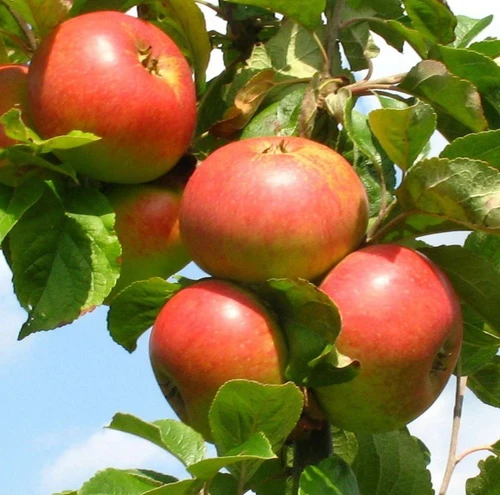
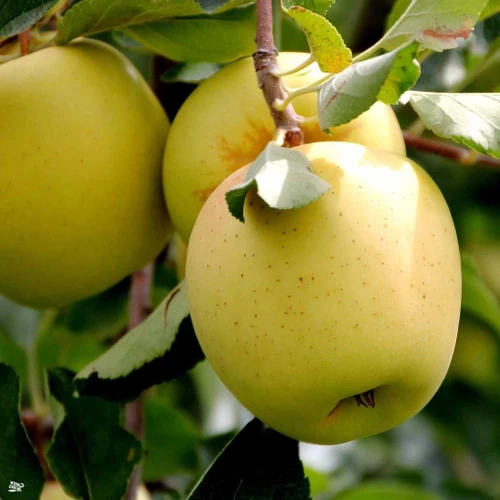
Apple ‘Cox's Orange Pippin’ is widely regarded as one of the finest-flavoured English dessert apples, admired for its beautiful pink-tinged white spring blossom, followed by delicious golden-yellow apples with attractive orange-red colouring and natural russeting. The fruits have wonderfully crisp, juicy and aromatic flesh, with a distinctive rich, sweet flavour and delicate hints of honey and spice.
One of the outstanding qualities of Cox's Orange Pippin is its exceptional eating quality. The apples are particularly prized for their complex flavour and delightful aroma, making them perfect for eating freshly picked from the tree, enjoying in fruit salads, homemade juices and traditional desserts. Fruits typically mature during early autumn, generally from September into October depending on growing conditions.
This traditional English variety benefits from a compatible pollinating apple variety flowering nearby to improve fruit production. It is particularly suited to a sunny, sheltered position with good air circulation, helping support healthy growth and the development of its wonderfully flavoured fruit.
With its manageable miniature patio form, this established Cox's Orange Pippin Apple is ideal for large decorative containers, sunny patios, sheltered courtyards and smaller garden borders. Combining beautiful spring blossom, attractive summer foliage and delicious home-grown fruit, it makes a wonderful addition to any garden where outdoor space is limited.
Plant Features:
1x Miniature Dwarf Patio Cox's Orange Pippin Apple Fruit Tree
Botanical name: Malus domestica ‘Cox's Orange Pippin’
Supplied approximately 3–4ft tall
Established in a substantial 5 litre nursery pot
Specially trained miniature patio fruit tree
Attractive clear patio stem approximately 2ft tall
Perfect for patio pots, terraces, courtyards and small gardens
Beautiful pink-tinged white spring blossom
Produces delicious golden-yellow apples with orange-red colouring
Distinctive natural russeting on the fruit
Exceptionally sweet, crisp and aromatic flesh
Rich, complex flavour with delicate honeyed notes
Celebrated traditional English heritage dessert apple
Excellent for eating fresh, juices and desserts
Benefits from a compatible pollinating apple variety nearby
Early autumn cropping, typically September to October
Attractive fresh green summer foliage
Excellent for growing in large decorative containers
Hardy and suitable for UK growing conditions
Excellent for instant gardening and compact fruit growing
Please note: Cox's Orange Pippin Apple is deciduous, naturally losing its foliage during autumn and winter. Trees may arrive without leaves during the dormant season. Flowering and fruiting are seasonal and cannot be guaranteed at the time of dispatch. Trees are supplied approximately 3–4ft tall with a clear stem of around 2ft, although branching, shape and fullness will naturally vary. For best results, grow in a large, well-drained patio container in a sunny, sheltered position with good air circulation, water regularly during the growing season and prune as required to maintain the desired miniature patio shape. A compatible pollinating apple variety nearby is recommended for reliable fruit production. Cox's Orange Pippin can be more susceptible to certain apple diseases than some modern varieties, so good growing conditions and regular monitoring are beneficial. Eventual tree size will depend on the rootstock, growing conditions and ongoing care.